




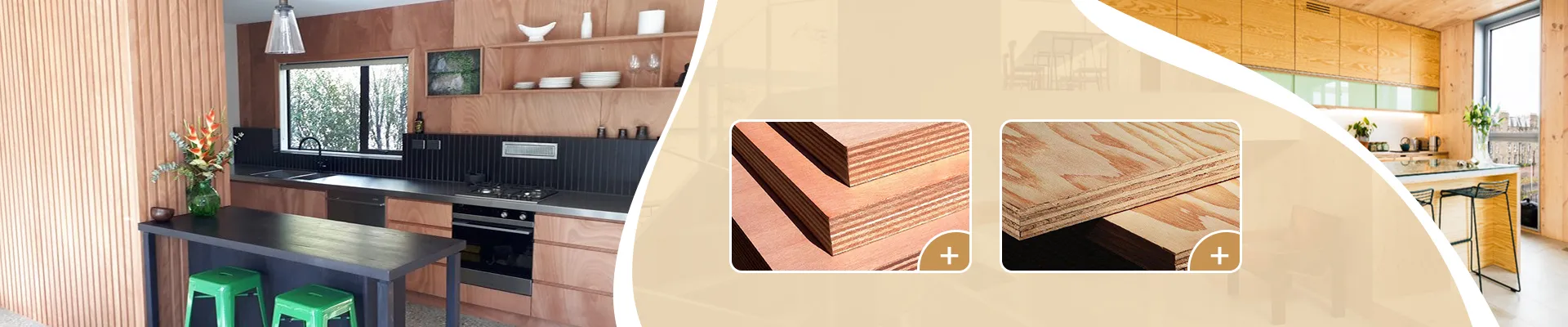
LVL Board Provides High-Strength Solutions for Sustainable Construction Projects
As construction projects become increasingly demanding in terms of both performance and sustainability, LVL (Laminated Veneer Lumber) boards have emerged as an excellent solution. Offering high strength, lightweight properties, and environmental benefits, LVL boards are becoming a preferred choice for contractors seeking to meet modern construction challenges. With their ability to replace traditional solid wood, LVL boards are reshaping how structural elements are integrated into buildings and other large-scale projects.
1. The Strength and Durability of LVL Boards in Construction
LVL boards are manufactured by layering thin sheets of wood veneer and bonding them together using advanced adhesives. This process results in a material that is stronger and more stable than traditional solid wood. LVL boards exhibit superior load-bearing capacity, making them ideal for high-stress structural applications such as beams, columns, and roof trusses. The strength and durability of LVL boards ensure that they can withstand the demands of large-scale construction projects, offering long-lasting performance in both residential and commercial builds.
2. Reducing Weight Without Sacrificing Strength
One of the standout features of LVL boards is their ability to provide high strength while being significantly lighter than solid timber. This reduced weight makes LVL boards easier to handle, transport, and install, which helps streamline construction timelines and reduce labor costs. Despite their lighter weight, LVL boards retain the strength and stability needed for structural applications, making them a highly efficient material for construction projects of all sizes.
3. Sustainable Material for Green Building Practices
Sustainability is a core focus in the modern construction industry, and LVL boards support this by offering an environmentally friendly alternative to traditional timber. The production of LVL boards typically uses smaller, faster-growing trees that can be sourced more sustainably compared to the large, slow-growing trees used for solid wood. Additionally, LVL boards can be produced with minimal waste, helping to conserve natural resources and reduce the environmental impact of construction. As green building practices continue to gain traction, LVL boards are an ideal choice for projects seeking to meet eco-friendly standards.
4. Versatile Applications Across Various Construction Types
LVL boards are incredibly versatile, making them suitable for a wide range of construction applications. Whether used in residential, commercial, or industrial projects, LVL boards provide the flexibility needed to accommodate different designs and structural requirements. Their use extends beyond just beams and columns, with LVL boards being utilized in floor systems, wall framing, and even in non-structural applications such as furniture or architectural elements. This versatility makes LVL a material that can be easily integrated into a variety of construction projects.
5. Enhancing Efficiency in Construction Projects
With the increasing focus on reducing construction timelines and costs, LVL boards offer significant advantages. The ability to easily cut, shape, and install LVL boards means that contractors can complete projects more quickly. This efficiency is crucial in today’s fast-paced construction industry, where time is money. Furthermore, LVL boards are highly consistent in their quality and strength, reducing the risk of material defects that can slow down construction processes or lead to costly delays.
Conclusion
LVL boards offer an innovative solution for the construction industry, providing high strength, sustainability, and efficiency. Their lightweight nature, durability, and versatility make them an excellent choice for a variety of building projects, from residential homes to large-scale commercial developments. As construction continues to evolve towards greener and more efficient practices, Zmadto remains at the forefront, offering high-quality materials like LVL boards to meet the demands of modern construction.