




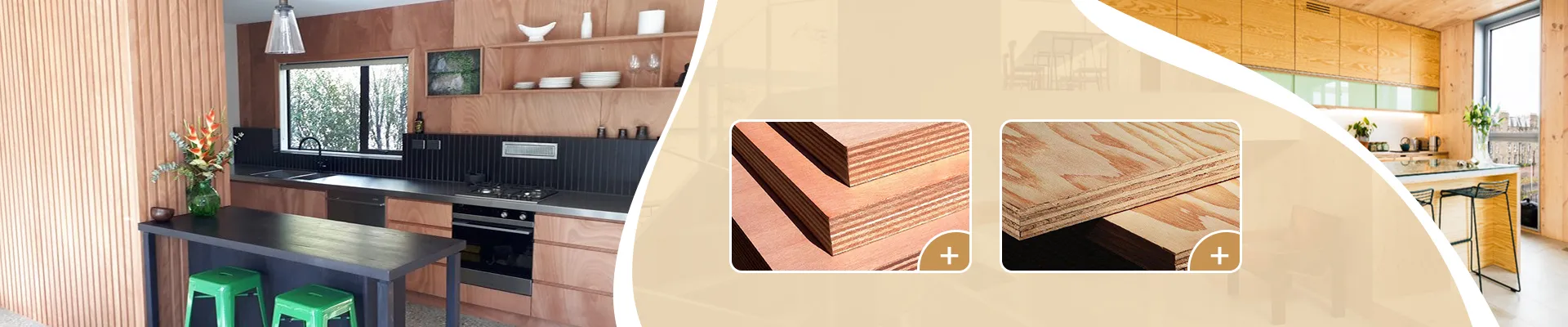
Circular Plywood Offers Versatile and Cost-Effective Solutions for Modern Construction
In the fast-paced world of construction, the need for adaptable, high-performance materials is greater than ever. Circular plywood, a unique variation of traditional plywood, has gained popularity for its versatility, cost-effectiveness, and ability to meet the demands of various construction projects. By combining the strengths of plywood with a circular design, this material offers an innovative solution that is both functional and sustainable, making it an ideal choice for modern building applications.
1. What Sets Circular Plywood Apart from Traditional Plywood?
Unlike traditional plywood, which is typically cut into rectangular sheets, circular plywood is produced with a circular shape, allowing for more efficient use of raw materials and reducing waste. This innovative design is particularly beneficial for projects that require circular forms, such as domes, arches, and circular structures. The unique structure of circular plywood allows it to be used in applications where conventional plywood would not be as effective, offering a cost-effective alternative to more specialized materials.
2. Cost Efficiency and Waste Reduction
One of the major benefits of circular plywood is its ability to reduce material waste. The circular production process allows manufacturers to optimize wood usage, minimizing leftover material and waste. This not only makes circular plywood a more sustainable option but also provides a more economical solution for contractors. Additionally, because circular plywood can be used in a variety of applications, it reduces the need for custom-cut materials, lowering production and transportation costs.
3. Durability and Performance for Various Construction Applications
Circular plywood is not just cost-effective—it also offers impressive durability and performance. Like traditional plywood, it is made from multiple layers of wood veneers, which provide strength and stability. The circular shape maintains the inherent benefits of plywood, including flexibility, strength, and resistance to bending. This makes circular plywood an excellent choice for construction projects that require both structural integrity and versatility, including roofing, flooring, and formwork systems.
4. Environmental Benefits and Sustainability
In today’s construction industry, sustainability is a top priority, and circular plywood helps meet this demand by reducing waste and promoting the efficient use of resources. By using circular-shaped panels, manufacturers can maximize the yield of each log, contributing to a more sustainable production process. Furthermore, circular plywood is made from renewable wood sources, making it a great choice for environmentally conscious construction projects. Its long-lasting durability also means that fewer replacements are needed over time, further reducing the environmental impact of construction.
5. Innovative Applications and Design Flexibility
Circular plywood is especially beneficial for projects that require unconventional design elements. The ability to create circular or curved structures with ease opens up new possibilities in architectural design. Whether it’s for creating intricate curved walls, decorative features, or unique architectural forms, circular plywood provides the flexibility needed to bring innovative designs to life. Its adaptability makes it a valuable material for both small-scale residential projects and large-scale commercial developments.
Conclusion
Circular plywood is quickly becoming a go-to material for construction professionals who value efficiency, cost-effectiveness, and sustainability. Its ability to reduce waste, combined with its versatility and strength, makes it a highly effective solution for modern building projects. As the construction industry continues to move toward more sustainable practices, Zmadto remains committed to providing high-quality materials like circular plywood that meet the evolving needs of the market.