




Core Materials of Plywood Formwork
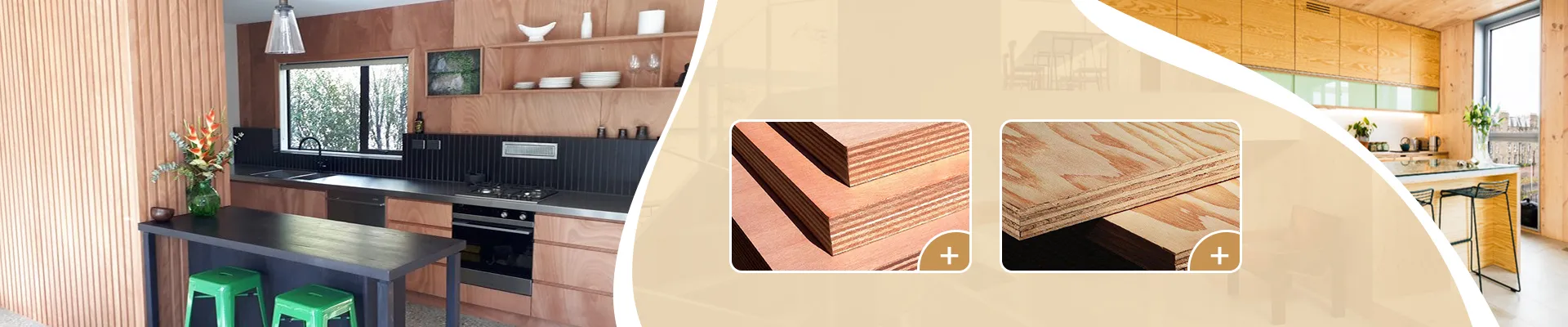
Plywood formwork is primarily made from wood-based glued panels, known as plywood, which consists of multiple layers of veneer glued together in alternating directions. This construction method not only enhances the strength of the panels but also provides a stable template for poured concrete. The surface of plywood formwork is often coated with a film layer, adding additional properties such as water resistance and durability.
Core Materials of Plywood Formwork
The core materials commonly used in plywood formwork include:
1. Poplar Wood: This type of timber offers a high cost-performance ratio and is suitable for indoor, dry environments.
2. Pine Wood: Known for its greater strength and excellent weather resistance, pine wood formwork is ideal for outdoor construction scenarios where conditions may be harsh.
3. Eucalyptus: This species provides enhanced durability and strength, making it an excellent choice for more demanding construction needs.
Common Sizes and Thickness of Plywood Formwork
Plywood formwork comes in various dimensions, but the most widely used sizes in construction are **1220mm x 2440mm** and **915mm x 1830mm**. The thickness of these panels generally ranges from **12mm to 18mm**, providing options for different structural needs and requirements.
In the realm of construction, plywood formwork remains an indispensable tool. Understanding its various types, core materials, and dimensions can help construction professionals make informed decisions, particularly in selecting the appropriate plywood for their specific projects. By choosing the right type of plywood formwork, contractors can ensure durability, cost-effectiveness, and optimal performance on site, ultimately contributing to the success of their construction endeavors.