




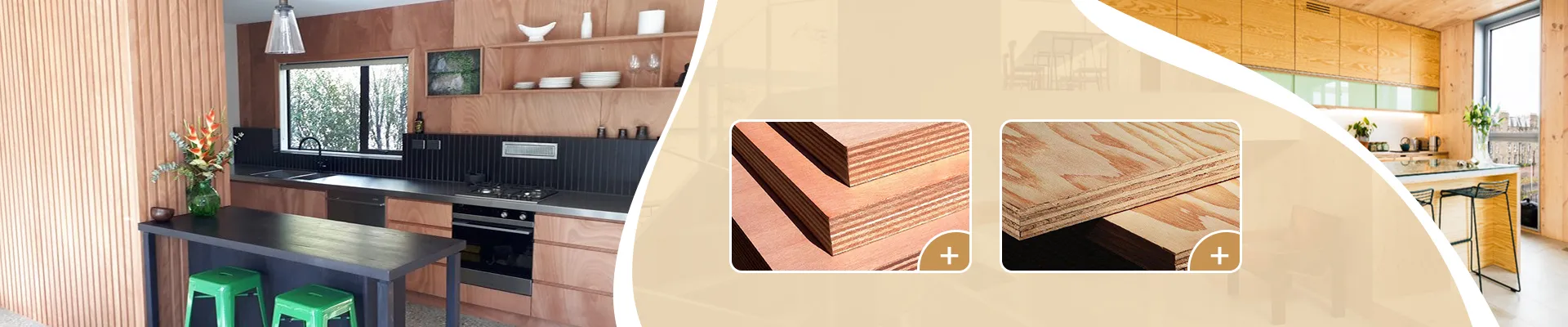
MDF Board Supports Modern Furniture Design with Consistency and Versatility
As furniture manufacturing continues to evolve toward precision, efficiency, and design flexibility, MDF (Medium Density Fiberboard) has become a core material in modern interior production. Known for its smooth surface, uniform structure, and adaptability, MDF board provides manufacturers and designers with a reliable solution for creating high-quality furniture that meets both aesthetic and functional demands.
1. Smooth Surface for High-Quality Finishing
One of the most notable advantages of MDF board is its exceptionally smooth and even surface. Unlike natural wood, MDF does not contain knots or grain irregularities, making it ideal for painting, laminating, or veneering. This allows furniture manufacturers to achieve a refined, consistent finish, whether producing minimalist modern cabinets or decorative interior elements. The result is a clean and professional appearance that enhances the overall value of the final product.
2. Consistent Structure for Precision Manufacturing
MDF is engineered by compressing fine wood fibers under high pressure, resulting in a dense and uniform panel. This consistency ensures predictable performance during cutting, drilling, and shaping processes. For manufacturers, this means fewer material defects, reduced waste, and improved production efficiency. The ability to maintain tight tolerances makes MDF especially suitable for mass production and modular furniture systems.
3. Versatility Across Furniture Applications
MDF board is widely used across a broad range of furniture applications. From cabinets and wardrobes to shelving units and decorative wall panels, its versatility allows it to adapt to different design requirements. It can be easily machined into complex shapes, making it a preferred choice for customized furniture and intricate detailing. Whether used in residential or commercial interiors, MDF offers the flexibility needed to bring diverse design concepts to life.
4. Cost-Effective Alternative to Solid Wood
While solid wood remains a premium material, MDF provides a more cost-effective alternative without compromising on appearance or functionality. Its efficient manufacturing process and wide availability help reduce overall material costs, making it an attractive option for both large-scale production and budget-conscious projects. When combined with laminates or veneers, MDF can replicate the look of natural wood at a significantly lower cost.
5. Supporting Sustainable Material Usage
Sustainability is an increasingly important factor in furniture production, and MDF contributes by making efficient use of wood resources. It is often produced using recycled wood fibers and by-products from other wood-processing industries, reducing waste and maximizing raw material utilization. This approach supports more responsible manufacturing practices while meeting the growing demand for environmentally conscious products.
Conclusion
MDF board continues to play a vital role in modern furniture manufacturing by offering a balance of quality, versatility, and cost efficiency. Its smooth surface, consistent structure, and adaptability make it an essential material for a wide range of interior applications. As design and production standards continue to advance, Zmadto remains committed to providing high-quality MDF solutions that support innovative and efficient furniture manufacturing.